
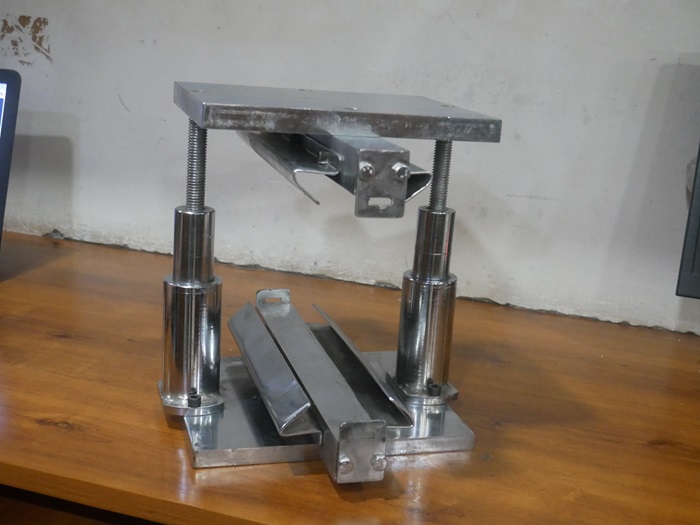
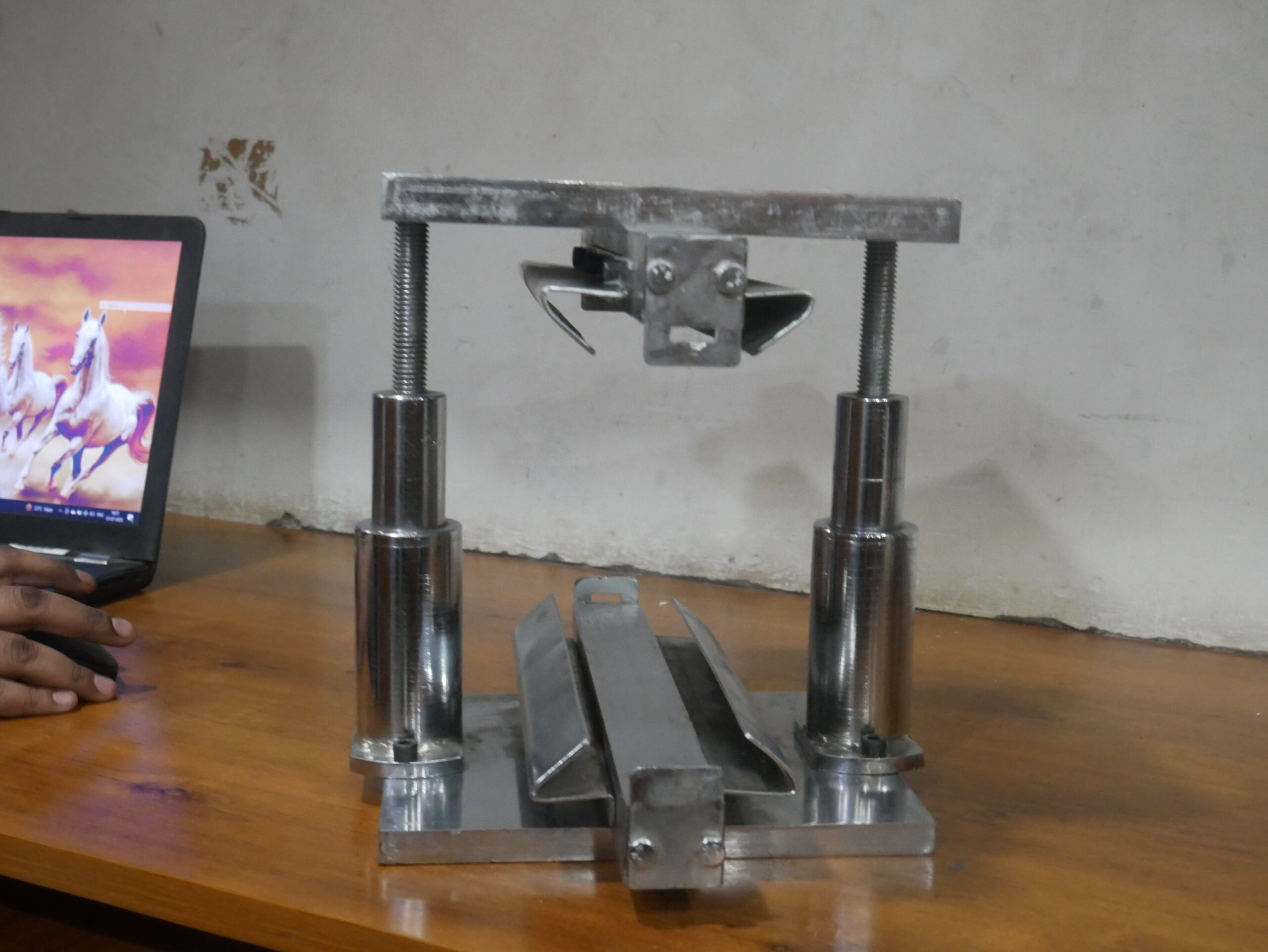
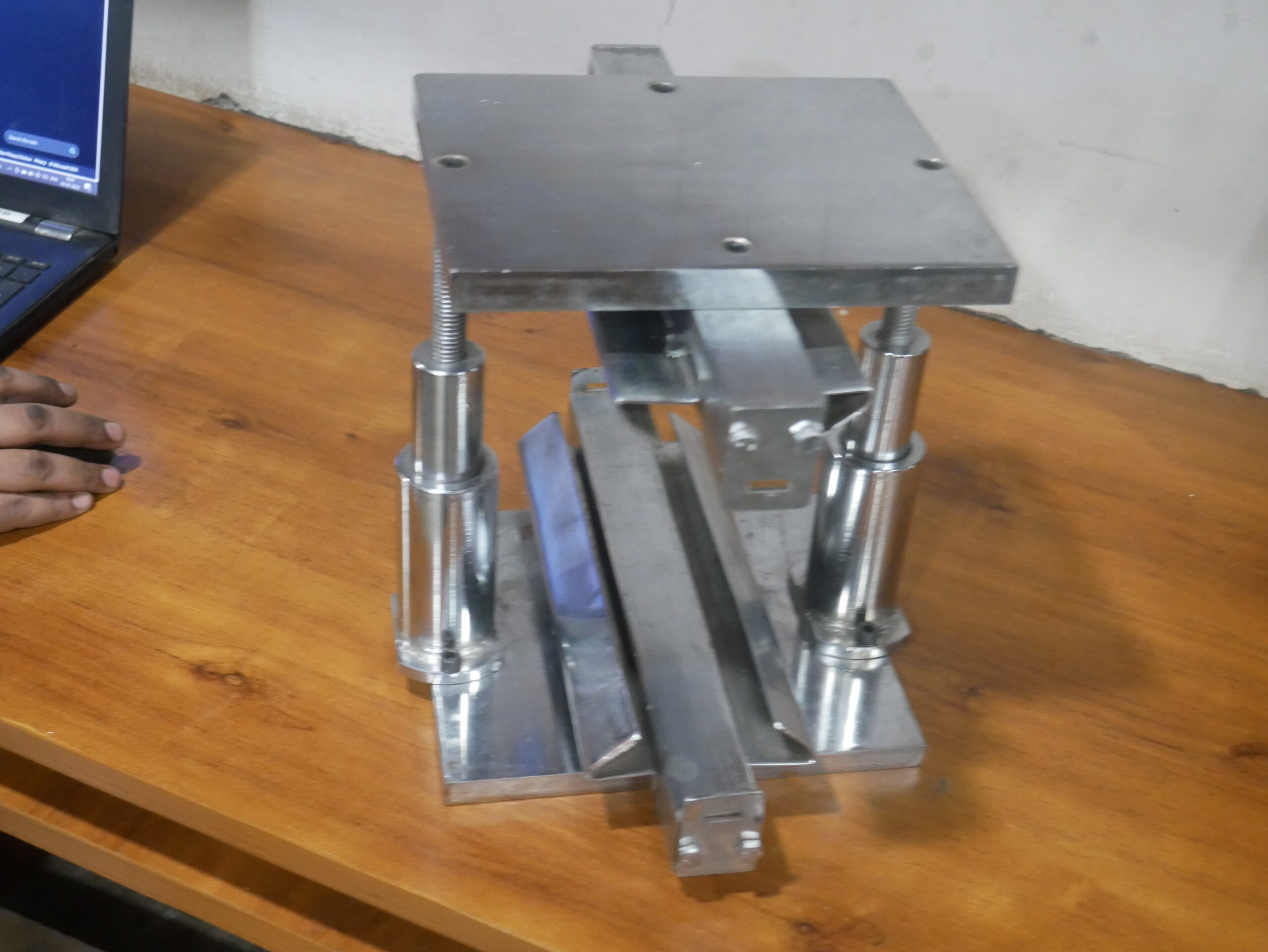
Splitting Tensile Attachment For CTM
Model No.: SET-1148
Standards:
At Civil Lab Equipment Splitting Tensile Attachment for CTM, designed to enhance the capabilities of your Compression Testing Machine. This attachment enables precise testing of the splitting tensile strength of concrete specimens, offering accurate results for your civil engineering projects. With durable construction and easy installation, this attachment ensures reliable performance and seamless integration with your CTM equipment. Trust in this innovative solution to meet your splitting tensile testing requirements efficiently and effectively. Elevate your testing capabilities and ensure the quality of your concrete structures with the Splitting Tensile Attachment for CTM from Civil Lab Equipment.
The Splitting Tensile Attachment for CTM is a specialized device that enables engineers and technicians to perform the splitting tensile test on concrete cylinders. This attachment is designed to apply a tensile load perpendicular to the axis of the concrete cylinder, causing it to split apart. By measuring the tensile strength of the concrete in this manner, engineers can effectively assess its quality and suitability for construction projects.
Specification;
How Does the Splitting Tensile Attachment Work?
The Splitting Tensile Attachment for CTM is attached to the upper platen of the CTM, which is used to apply the compressive load during the test. The attachment consists of two steel platens that grip the concrete cylinder from opposite ends. As the CTM applies a compressive load, the attachment exerts a tensile force on the concrete cylinder, causing it to split along its diameter. The resulting tensile strength is calculated by dividing the maximum load at failure by the cross-sectional area of the cylinder.
Typical Standards for Splitting Tensile Attachments
When it comes to implementing splitting tensile testing using CTM equipment, various standards and specifications must be followed to ensure accurate and reliable results. Some of the typical standards that govern the use of Splitting Tensile Attachments include:
- ASTM C496/C496M-17: This standard by the American Society for Testing and Materials outlines the procedure for determining the splitting tensile strength of cylindrical concrete specimens.
- BS EN 12350-7: The British Standard for the testing of concrete specifies the method for determining the splitting tensile strength of concrete cores using a cylindrical attachment in a compression testing machine.
- IS 5816-1999: The Indian Standard for Splitting Tensile Test on Concrete Cylinders provides guidelines for carrying out the test and calculating the splitting tensile strength of concrete specimens.Related Searche
Specifications for Splitting Tensile Attachments
In addition to adhering to specific testing standards, there are also key specifications that need to be considered when using Splitting Tensile Attachments for CTM testing. These specifications ensure that the equipment is suitable for conducting accurate and repeatable tests. Some common specifications include:
- Diameter of Loading Platens: The diameter of the loading platens should be compatible with the size of the concrete specimens being tested to ensure uniform loading and accurate results.
- Minimum Distance between Loading Platens: There should be a specified minimum distance between the loading platens to avoid any premature failure of the specimen during testing.
- Material of Loading Platens: The loading platens should be made from high-quality material that can withstand the expected loads and provide a stable testing surface.
- Calibration of Equipment: It is essential to calibrate the Splitting Tensile Attachment regularly to maintain accuracy and reliability in test results.
Why is the Splitting Tensile Test Important?
The splitting tensile test is an essential test to determine the tensile strength of concrete, which is crucial for assessing its ability to withstand tensile stresses. While concrete is known for its excellent compressive strength, its tensile strength is relatively lower. By conducting the splitting tensile test using the CTM with the Splitting Tensile Attachment, engineers can accurately measure the tensile strength of concrete and ensure it meets the required standards.